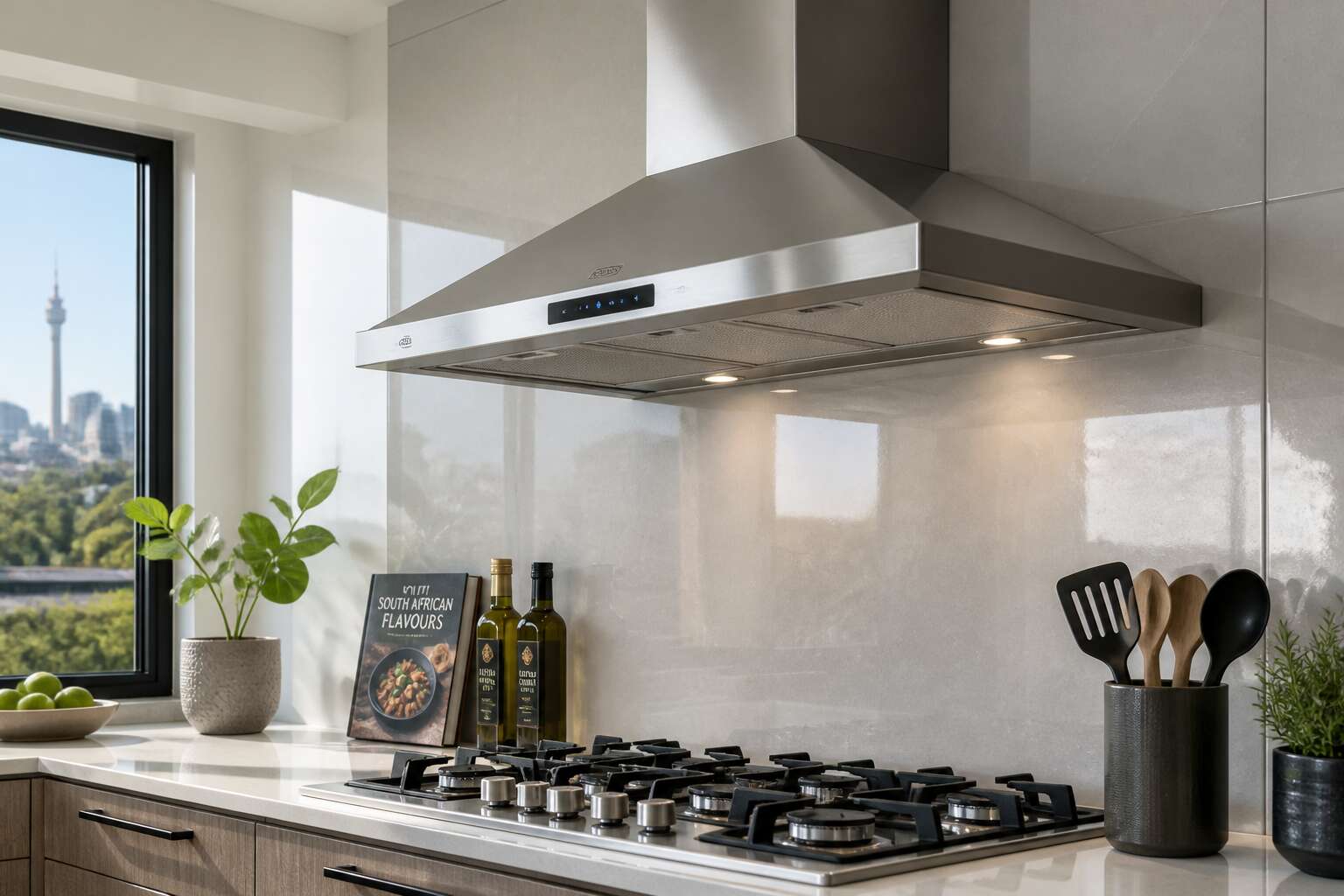
Why Proper Kitchen Ventilation Matters in Randburg Homes
Indoor Air Quality and Health Benefits
Randburg homes face a specific problem. When you cook without proper extraction, airborne grease and moisture settle into every crevice. This creates ideal conditions for mould and dust mites, especially in our humid Highveld summers. It’s a quiet problem!
Indoor air quality suffers silently. Studies show cooking can spike particle levels five times above safe limits. A kitchen extractor fan randburg actively pulls away volatile organic compounds and fine soot before they reach your lungs.
- Reduces asthma triggers from smoke and odours
- Prevents condensation that rots wooden cabinetry
- Limits bacterial growth on countertops
For families in Randburg, this isn’t luxury. It’s basic respiratory protection. I’ve inspected homes where windows stay sealed for security, trapping everything inside. Without a proper kitchen extractor fan randburg, you silently consume what should have been vented away. The effect compounds with each meal.
Eliminating Cooking Odors and Grease Effectively
An open plan kitchen is a beautiful thing until a fish curry occupies your lounge for three days. In Randburg, where homes are designed for easy flow, cooking smells travel without resistance. A kitchen extractor fan randburg removes that smoke and steam at the source. Grease is a separate problem. It rises as a fine mist, then settles as a sticky layer on cabinet doors and tiles. Once that layer collects dust, you face scrubbing, not wiping.
What this prevents:
- No stale odours lingering in upholstery
- No greasy film on overhead cabinets
- No need to mask yesterday’s dinner with artificial sprays
Venting outside is a complete solution. This appliance ensures food smells do not become furniture smells.
Impact on Property Value and Kitchen Aesthetics
In Randburg’s property market, the kitchen is the first room a serious buyer inspects. The condition of that room, its cabinetry, its ceiling, its light fittings, often shapes the entire offer. A kitchen extractor fan randburg protects those surfaces from the slow discolouration that cooking steam causes. In my experience, that protection keeps a kitchen looking new for a decade or more, and that preservation translates directly into valuation.
- Painted ceilings stay white instead of yellowing above the stove
- Cabinet edges avoid the tacky residue that dulls the finish
- Splashback tiles keep their grout lines clean and crisp
Homeowners in Randburg often overlook this until a buyer’s inspector records it. The absence of permanent cooking residue signals a home maintained with discipline. For resale, that impression carries measurable weight in a suburb where open plan layouts mean the kitchen is visible from every social space.
Local Climate Considerations and Highveld Conditions
On the Highveld, the air is thin and the sun unforgiving. Randburg sits at over 1,700 metres, where summer storms crack the sky and winter mornings leave steel cold to the touch. That weather shapes how a kitchen behaves. Steam from a pot rises and meets a cool window, turning to water that creeps along the plaster. Without extraction, that water finds its way into ceiling joints and cabinet seams.
I have seen what a single wet season does to an unventilated ceiling.
- Seasonal temperature swings accelerate condensation cycles
- Highveld humidity spikes during afternoon thunderstorms
- Altitude lowers the boiling point, so pots emit more steam
Each factor stacks the odds against a dry kitchen. A kitchen extractor fan randburg pulls that moisture out before it becomes a structural problem. It is not about comfort. It is about keeping the building itself intact.
Key Features to Look for in a Modern Range Hood
Extraction Capacity and Kitchen Size
The heart of any modern range hood lies in its extraction capacity. For a kitchen extractor fan randburg, this figure determines whether your space stays fresh or becomes a haze of steam. To calculate what you need, multiply your kitchen’s floor area by its ceiling height. That gives you cubic meters. A fan should cycle that volume at least ten times per hour. Consider the distance from hob to hood, as longer duct runs reduce efficiency. Features to evaluate include:
- Airflow rate in cubic metres per hour
- Noise level at maximum extraction
- Duct diameter and fan motor type
For larger open-plan kitchens, choose a higher capacity model. A compact apartment requires less force, but never underestimate the demands of braaing or intense frying. The size of your room directly dictates the motor’s needed strength, not the opposite. So measure first, then shop with confidence.
Noise Levels and Motor Quality
A range hood that sounds like a jet engine taking off will ruin the calm of your home. Many Johannesburg homeowners regret installing a unit that hums, rattles, or whines at full power. Noise is measured in sones, which is a more accurate indicator than decibels for how the human ear perceives sound. Look for a model that stays below 5 sones on its highest setting, and closer to 1 or 2 on its standard operating mode.
The motor is the muscle behind the machine. A quality motor runs smoother and suffers less wear over time. Cheaper units often use outdated technology that consumes more electricity while delivering less airflow. For a kitchen extractor fan randburg, this difference becomes obvious during a long braai session where the fan runs for extended periods.
When comparing models, inspect these details:
– Motor type: centrifugal motors outperform axial fans for ducted installations
– Bearing quality: sealed ball bearings reduce friction and extend lifespan
– Speed settings: multiple levels allow you to match extraction to the cooking activity
– Finish quality: welded seams and powder coating prevent rust in humid air
A well engineered motor maintains its extraction rate even when ducts get slightly dirty. That consistency matters more than a flashy peak airflow figure that drops off after a week of heavy use. Spend your budget on the internal components, not the touchscreen controls. You will hear the difference every single day.
Filter Types: Mesh vs. Charcoal
Most people obsess over a range hood’s lights or touch panel. The filter does the real work. Mesh filters are stainless steel layers that catch grease. Charcoal filters absorb odours for recirculating systems where ducting isn’t possible. Choice depends on your installation. Ducted systems use mesh. Ductless setups need charcoal to scrub the air.
In Randburg homes, where open-plan living is standard, filter choice matters even more. A fine mesh trap captures more cooking residue. Charcoal inserts need replacement every three to six months. Ignore this and your kitchen extractor fan randburg becomes noisy and underperforming.
Key signs a filter is exhausted:
– Visible grease buildup that resists cleaning
– Weak airflow despite the fan spinning hard
– Lingering smells long after cooking ends
Clogged filters force the motor to work harder and shorten its lifespan. Regular cleaning or replacement avoids that strain.
Ducted vs. Recirculating Systems
In Randburg, the ducted versus recirculating debate is a matter of architecture, not opinion. A ducted system needs a path to the outside, so check the duct diameter and the presence of a backdraft damper. Without one, you get a flow of neighbour’s braai smoke into your kitchen.
Recirculating units demand more attention. Look for access to the filtration compartment, because replacing those components should not require a PhD in engineering. Inspect fan speed controls; recirculating kitchen extractor fan randburg relies on precise motor settings to compensate for airflow resistance.
- Motor rated for continuous operation
- Insulated ducting to prevent condensation
- LED lights rated for heat exposure
When you buy a kitchen extractor fan randburg, features matter more than knobs. A unit with variable speed inverter motor handles Highveld air pressure shifts without excessive droning. The best system matches the ducting reality of your home.
Smart Controls and Integrated Lighting
The best kitchen extractor fan randburg now pairs clean air with digital convenience. A touch slider beats a fiddly dial when your hands are covered in dough. Gesture controls are nice, but verify they respond without accidental triggers. For lighting, LED strips stay cool and show true food colours. Halogen bulbs heat up your work surface, which nobody wants in a Highveld summer. Aim for a light colour temperature around 4000K.
- Heat sensors that boost fan speed automatically
- Delay shutoff to clear lingering smoke after cooking
A responsive control panel makes daily use feel effortless. The delay feature alone saves you from standing there waiting. Smart systems should work with your routine, not complicate it. Look for straightforward labels and tactile feedback. That matters more than gimmicks.
Safety Features and Auto Shut-Off
Every kitchen fire starts with an unattended moment. A modern range hood should protect you when you step away from the stove. Safety features have evolved from basic switches to thermal sensors that detect abnormal heat spikes and trigger auto shut-off before flames develop. This protects your family and your investment. When evaluating a kitchen extractor fan randburg, look for delayed shutdown to clear residual smoke after cooking.
Essential protections include:
- Automatic thermal cutoff at extreme temperatures
- Motor overload protection against electrical faults
- Child safety locks for accident prone households
Auto shut-off timers add another layer of reliability. You set the extraction time, and the fan completes the cycle without you hovering. A kitchen extractor fan randburg with these features reduces electricity waste and prolongs motor life. The unit operates with consistent vigilance.
Installation and Maintenance Best Practices for Local Homeowners
Optimal Height and Placement Guidelines
Installing a kitchen extractor fan randburg demands attention to ceiling height first. Highveld homes often feature higher ceilings, which lengthens the duct run and reduces suction. A local contractor will measure the vertical stretch and account for winter condensation that can collect on the motor housing.
Mounting height determines capture efficiency for any kitchen extractor fan randburg. Position the unit 65 to 75 centimeters above a gas hob. Electric hobs require 75 to 85 centimeters. Too low and heat damages the casing. Too high and steam slips past the filters.
Routine maintenance keeps the unit honest. I check the backdraft flap each quarter. Dust on the hinge prevents proper seating, and cold air leaks back down the duct. A damp cloth clears it fast. For recirculating units, replace the charcoal filter every four months. Heavy oil cooking shortens that timeline.
Ductwork Requirements for Residential Properties
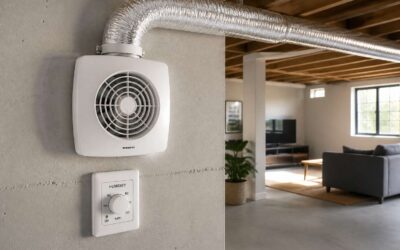
The ductwork carries the extracted air away. The choice between rigid metal and flexible foil piping matters for any kitchen extractor fan randburg installation. Rigid metal maintains static pressure, particularly when the run bends around Highveld roof trusses. Flexible ducts add turbulence and collect grease over time. Seal every joint with foil tape and screw connections. Insulate exposed duct sections in the ceiling void to prevent condensation dripping onto ceiling boards.
Residential properties in Randburg often need a 150mm duct for a 900m³/h unit. Stepping down to 125mm creates turbulence, noise, and reduced extraction. I have seen too many kitchen extractor fan randburg installations hobbled by that exact mistake. Local contractors inspect several points before signing off:
- Backdraft flaps close fully under their own weight.
- Brick wall cutouts use supplied collars, not silicone alone.
- Discharge points comply with municipal bylaws.
Silicone alone flexes with motor vibration and invites pests into the ductwork.
Cleaning and Replacing Filters on Schedule
Filter maintenance determines how long a kitchen extractor fan randburg installation keeps performing. Grease is relentless in Highveld kitchens. A mesh filter saturated with oil restricts airflow and forces the motor to work harder. Most homeowners forget this until the unit starts rattling or the extraction weakens.
Mesh filters should be washed every four to six weeks, depending on cooking frequency. Charcoal filters, which handle recirculation rather than ducted extraction, need replacement every three months or so. Ignoring that schedule means the fan moves air but cleans nothing.
These checks become part of a sensible routine:
- Wash mesh filters in hot water with degreaser.
- Replace charcoal filters before they lose absorbency.
- Inspect the duct connection for grease seepage.
None of this takes long. The cost of skipping it is a kitchen extractor fan randburg that fails mid-meal, with smoke curling around the ceiling.
Professional Installation vs. Do-It-Yourself
Deciding between a professional installer and a DIY approach for a kitchen extractor fan randburg depends on your tolerance for risk. A certified technician brings tools and experience, but the real value lies in their ability to seal duct joints properly. A small leak in the Highveld’s dry climate can pull dust into the system, which no amount of motor power will overcome.
DIY installation appeals to the budget-conscious homeowner, yet the costs appear later. Electrical connections, wall penetration, and bracket alignment all demand precision. Consider these factors before you commit:
- Verify the wall cavity has no hidden pipes or cables.
- Confirm the extractor’s weight matches the bracket rating.
- Check the local municipality’s wiring regulations.
Each of these steps carries consequences if ignored. A professional installation for a kitchen extractor fan randburg typically includes a warranty on workmanship, which DIY cannot offer. That assurance matters when the unit runs at full speed during a Sunday braai.
Troubleshooting Common Operational Issues
Most kitchen extractor fan randburg problems begin with a component the owner never sees: the rear impeller. A fan that hums but does not pull air usually has a blade jammed with grease or a capacitor that has failed. Both are repairable, yet many units are boxed in with no room to reach the motor.
Installers should position the unit with at least a hand’s width of clearance and wire it on a dedicated circuit. Common operational issues after months of Highveld use include:
- Vibration during extraction: an unbalanced impeller causes this, not the motor.
- Auto shut-off tripping early: a faulty thermal sensor or restricted airflow is often the culprit.
- Recirculation smells returning: the non-return flap may be stuck in the open position.
Regular inspection of these parts prevents a kitchen extractor fan randburg from failing at the worst moment!
Top Styles and Designs to Complement Your Kitchen Décor
Under-Cabinet and Wall-Mounted Units
Your kitchen’s silhouette often whispers before the first meal is cooked. A kitchen extractor fan randburg can either fade into the cabinetry or declare itself a centerpiece. Under-cabinet units offer a seamless, low-profile aesthetic, tucking neatly beneath upper storage. Wall-mounted models, by contrast, become sculptural anchors, especially with a chimney that reaches toward the ceiling.
Popular finishes include brushed bronze, matte graphite, and tempered glass panels. For a cohesive look, match the fan’s metal to your tapware or appliance handles. Alternatively, embrace contrast with a bold black canopy against white cabinetry. For any kitchen extractor fan randburg, the design should balance form with function, yet never forget the joy of a beautiful object.
Consider these design directions:
- Flush integrated panels that mimic cabinet fronts
- Curved glass forms that soften sharp edges
- Industrial riveted steel for a workshop vibe
Each style alters the room’s emotional register, so choose one that speaks to your daily rituals.
Island and Ceiling-Mounted Options
Islands demand a different kind of presence. A kitchen extractor fan randburg suspended from the ceiling becomes the room’s focal point, directing attention upward while tackling the steam and aromas from an open cooktop. Glass canopies keep sightlines clear across the counter, while stainless steel columns ground the design in industrial pragmatism.
Here are the ceiling-mounted directions I find most compelling:
- Linear bars that span the cooking zone
- Funnel-shaped glass domes that diffuse light outward
- Downdraft units that rise from the countertop itself
Each option rearranges the spatial logic. A ceiling-mounted kitchen extractor fan randburg should match the island’s proportions, not overwhelm them. Timber-clad exteriors soften the metallic presence, and matte white keeps the silhouette quiet. The result is a hood that participates in the architecture rather than merely covering it. What a difference that makes!
Stainless Steel and Contemporary Finishes
Stainless steel remains the reliable choice for a kitchen extractor fan randburg. Its brushed surface reflects light evenly, pairing well with white cabinetry, stone counters, and timber floors. In contemporary kitchens, matte black and graphite finishes are gaining traction, offering a quieter appearance that blends with modern cabinetry.
I often ask clients to examine how the hood coordinates with taps and handles. A kitchen extractor fan randburg in satin nickel or brass creates a uniform hardware palette. Consider these styling directions:
- Raised brushed steel for a clean, industrial look
- Painted charcoal to absorb busy backsplash patterns
- Tinted glass panels for a soft, reflective sheen
Each finish changes the room’s mood. Perforated metal resists fingerprints; smooth enamel is easier to wipe down. The ideal finish adapts to daily cooking routines without losing its original character.
Downdraft and Telescopic Designs
When a kitchen extractor fan randburg disappears into the countertop, the room gains an uninterrupted ceiling line. Downdraft systems rise silently during cooking, then retract to leave the island bare. Telescopic models slide forward from beneath a cabinet, offering flexible coverage without mounting hardware.
These styles suit open-plan homes where visual clutter matters. The engineering demands greater precision, since moving parts and ducting must align beneath the surface. Sturdy telescopic rails and motors that respond to Highveld air pressure make these units dependable.
- Flush induction downdrafts that match stone worktop veins
- Vertical lift panels for a seamless glass facade
- Compact telescopic hoods with brushless motors
Each variant changes how you interact with the cooktop. A kitchen extractor fan randburg with downdraft function traps rising steam early, but careful placement near the rear burners is essential. Telescopic designs pull air from a wider footprint, making them forgiving for casual cooks.
Seamless Integration with Custom Cabinetry
Custom cabinetry turns a functional appliance into an architectural detail. A kitchen extractor fan randburg recessed behind a bespoke timber fascia reads as part of the joinery, not an afterthought. Cabinet makers can mount the unit flush with surrounding panels, leaving only a slim control strip visible.
Flush integration requires precise measurements. The ducting route, motor depth, and filter access panel all need planning before doors are hung. In Randburg kitchens with solid wood joinery, a painted steel body can clash with warm grain. Specify a custom cladding panel instead.
Consider these seamless options:
- Concealed motor boxes behind crown moulding
- Retractable units sharing the cabinet’s hinge system
- Decorative grilles matched to handle finishes
The best designs respect existing lines. When a kitchen extractor fan randburg disappears into the cabinetry, the room reads as one considered piece.
Cost Considerations and Energy Efficiency in the Local Market
Price Ranges by Type and Brand
Price ranges for a kitchen extractor fan randburg vary more than a Highveld summer. You can snag a basic under-cabinet model for under R1,500, but a premium island unit might set you back R12,000 or more. Energy efficiency is where the real savings hide. Look at the motor’s wattage and airflow rating, not just the sales pitch. A 200W motor with strong extraction can clear smoke faster than a 500W dinosaur, so you run it for less time.
Brands matter in the local market. European names often cost more upfront, but South African budget brands offer decent performance for half the price. Here is a rough guide to what you will pay:
- Basic recirculating units: R800 to R2,500
- Mid-range ducted models: R2,500 to R6,000
- High-end designer units: R6,000 to R15,000
The energy efficiency of a kitchen extractor fan randburg depends on your cooking habits. If you fry fiercely daily, a higher upfront cost for a low-wattage, high-airflow fan pays off within a year. Otherwise, you might spend extra for features you rarely use.
Energy Consumption and Inverter Compatibility
Energy consumption in a kitchen extractor fan randburg often surprises owners after the first electricity bill. A conventional fixed-speed motor draws full power every time, even when you only simmer. An inverter-compatible model varies its airflow, consuming less during light cooking. That distinction matters in South Africa, where load shedding punishes wasted consumption.
My rule for local buyers is to check the motor’s current draw at low speed. For a kitchen extractor fan randburg, a fan that pulls 1.5 amps at low setting works well with a standard inverter. Consider:
- Brushless DC motors offer smoother speed control.
- An inverter rating of at least 500W handles most residential units.
- Startup surge can spike to three times the running wattage.
Pairing an under-powered inverter with a hungry extraction fan forces you to switch off the stove instead of cooking. That trade-off defeats the purpose entirely.
Long-Term Savings from High-Efficiency Models
Cost is often the deciding factor when choosing a kitchen extractor fan randburg, but I always tell buyers the purchase price is only part of the equation. A high-efficiency unit can cost 30% more upfront, yet it recoups that difference through lower monthly electricity bills. In the local market, where tariffs climb steadily, the payback period typically lands between two and three years.
Consider what drives long-term savings:
- Efficient motors consume less energy at matched airflow levels.
- Well-sealed housings prevent conditioned air from escaping, easing your cooling load.
- Multi-speed controls let you run low during daily cooking and high only when searing.
The total cost of ownership matters more than the sticker price. For a kitchen extractor fan randburg, spending a bit more on energy efficiency translates into years of reduced operating costs.
Where to Source Quality Ventilation Equipment
The price gap between a budget extractor and a premium model often narrows when you examine the operational expenses in Randburg. Electricity tariffs in Johannesburg have outpaced inflation persistently, so the wattage drawn during daily use becomes a significant line item. A kitchen extractor fan randburg with a high-efficiency motor might use 40% less power to move the same volume of air as a cheaper, less refined unit. That differential shows up directly on the municipal account each month, not on some distant horizon.
Energy efficiency in this local market also intersects with the reality of Highveld winters. When you extract air from your kitchen, you are literally pulling warmed interior air out of your home. A poorly sealed fan housing exacerbates this loss, forcing your heating system to work harder. Some of the more thoughtfully engineered models include back-draft dampers and tighter tolerances, which minimise this thermal escape. Over a full winter season, the cumulative effect on your energy bill is palpable.
Where to source quality ventilation equipment demands the same diligence as the product choice itself. Look beyond the big-box retailers and consider specialised ventilation suppliers in the greater Randburg area, as they often stock commercial-grade units and provide informed advice on ducting layouts. Online marketplaces are useful for price comparison, but confirm the seller is an authorised distributor for warranty purposes.
– Check the unit’s stated efficiency rating, not just the motor wattage.
– Verify that the supplier offers local technical support for servicing.
– Request a measurement visit to ensure proper fit and duct alignment.
A local supplier who understands the specific installation challenges of townhouse complexes and older homes in the area will save you from costly fitting errors. Their proximity also simplifies the logistics of returns or parts replacement, which matters when a fan needs a new capacitor or switch down the line. Building a relationship with a knowledgeable vendor ensures that your investment in a kitchen extractor fan randburg is supported by after-sales service that matches the product’s promise.
Warranties and After-Sales Support in the Area
The true cost of a kitchen extractor fan randburg shows up after installation, not on the price tag. Energy efficiency in South Africa rarely factors in altitude. Thin Highveld air makes a motor work harder per cubic metre of air moved, so a unit with an overstated airflow rating draws more power than its label suggests. The monthly difference appears on the municipal account.
Warranty conditions matter just as much. A 12 month cover is useless when the nearest approved service centre is in another province. The Randburg distributor who holds capacitors and motors in stock locally, and who collects faulty units without shipping fees, offers genuine after-sales support. Choosing a kitchen extractor fan randburg backed by that kind of agent avoids the waiting game that turns a small fault into a costly replacement.

0 Comments