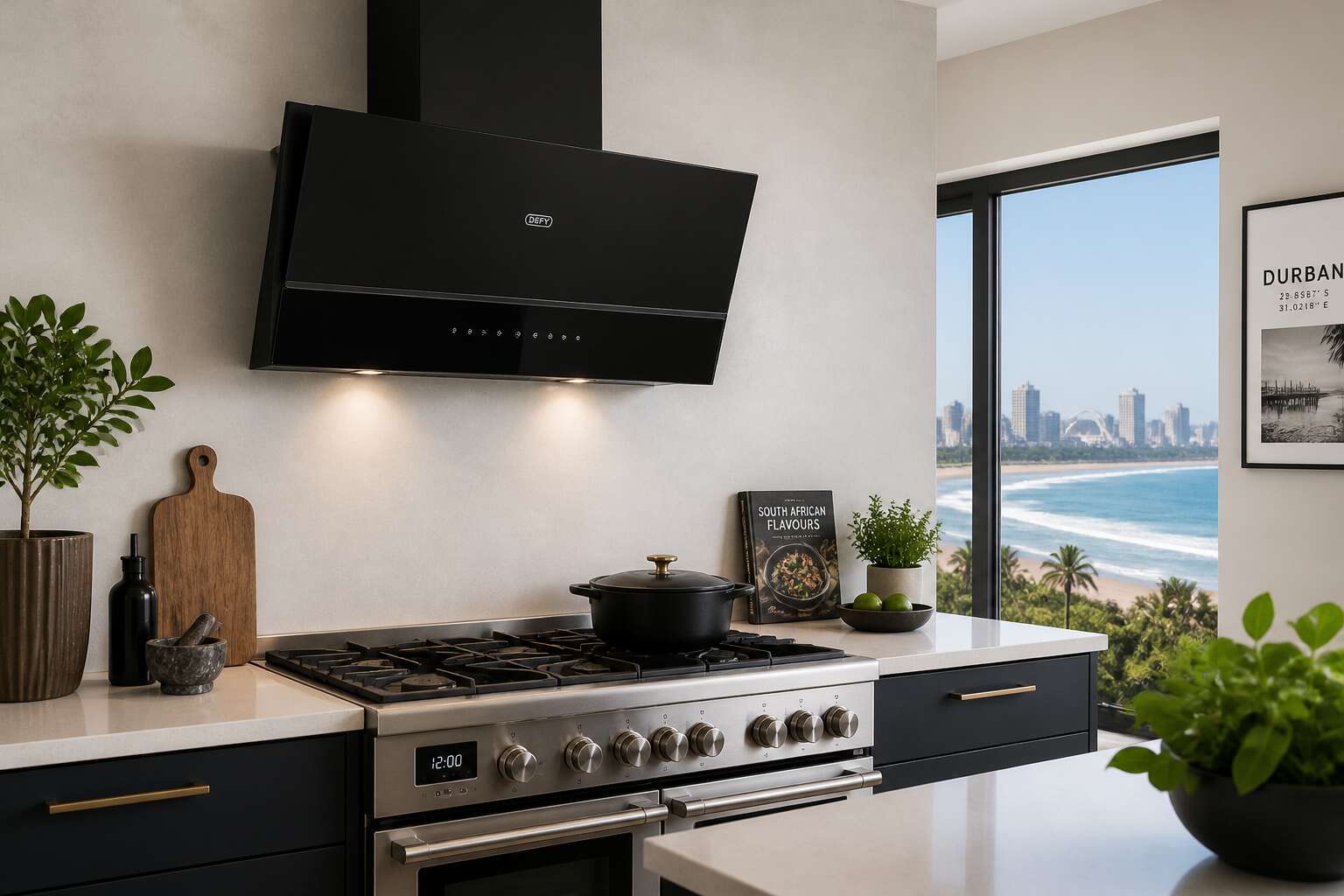
Understanding Ventilation Needs in Durban’s Coastal Climate
How Humidity Levels Affect Indoor Air Quality
In Durban, the Indian Ocean injects salt and moisture into every breath of air. Relative humidity often crests above 80% during summer, creating persistent dampness inside homes. Still air supports mold spores and dust mites, compromising respiratory health.
A properly sized extraction system changes that dynamic. It pulls humid air from bathrooms and kitchens before it can settle into walls and fabrics. I’ve found that extractor fan suppliers Durban recommend units rated for continuous operation, not merely intermittent use. Coastal climates demand higher airflow capacity!
Consider the hidden damage:
- Condensation on window frames accelerates wood rot.
- Musty odours cling to textiles and upholstery.
- Allergen proliferation spikes when humidity exceeds 60%.
Each symptom traces back to inadequate ventilation. Your local microclimate dictates the ventilation capacity you require.
Common Moisture-Related Issues in Coastal Homes
Durban’s coastal climate demands a different approach to ventilation. The salt-laden air that makes the beachfront pleasant accelerates corrosion on fan motors and metal housings. A unit rated for inland conditions may fail within two years here!
The prevailing north-east wind pushes moisture against ocean-facing walls. Those surfaces rarely dry completely, leaving structural materials perpetually damp. Common moisture-related issues in coastal homes include:
- Rust forming on window frames and door hinges
- Paint blistering on exterior walls
- Salt crystals appearing on masonry
Extractor fan suppliers Durban regularly see homes where inadequate extraction has worsened these problems. Matching the fan’s materials and airflow capacity to the coastal environment matters more than raw power.
Health Implications of Chronic Poor Ventilation
Each winter, Durban emergency rooms see a predictable spike in respiratory complaints. The cause is rarely the cold. It is the air inside the home. Chronic poor ventilation compounds coastal humidity, creating an environment where mould thrives and occupants breathe the consequences.
Ventilation in this climate must do two things: move air and expel moisture. A fan that merely circulates damp air solves nothing. Salt accumulation degrades motor performance rapidly, and the prevailing north-east wind deposits residue on blades and bearings. Extractor fan suppliers Durban test units against these conditions. We see inland models seize within two seasons, their bearings corroded by salt.
Mould spores and dust mites flourish in poorly ventilated coastal homes. For children, the elderly, and asthmatics, daily exposure becomes a chronic burden. Headaches, fatigue, and persistent coughs are the quiet symptoms of stale, humid indoor air.
Seasonal Weather Patterns and Their Impact on Airflow Requirements
Durban’s seasons don’t pivot on temperature. They pivot on wind direction and rainfall intensity. Summer brings the north-east monsoon, heavy afternoon thunderstorms, and persistent humidity. Winter reverses the airflow, with drier westerly winds sweeping in from the interior.
This shift matters for ventilation. A fan sized for winter air movement will struggle during summer’s heavier hygrometric load. The airflow requirements change with the seasons, and the equipment must adapt accordingly.
Consider what changes:
– Summer demands higher extraction rates to clear humidity before it settles on walls.
– Winter requires lower, steadier airflow to avoid drawing cold air into living spaces.
– Spring and autumn bring transitional conditions where variable fan speeds prove essential.
This is why extractor fan suppliers Durban recommend units with adjustable performance. A fixed-speed fan cannot handle this climate’s seasonal variance.
Key Factors to Consider When Selecting Ventilation Equipment
Matching Airflow Capacity to Specific Room Dimensions
Selecting ventilation equipment without calculating the room’s volume is a gamble. I’ve watched homeowners in coastal suburbs install fans that cannot shift the air in a double-volume lounge. The mathematics matter. Multiply the floor area by the ceiling height to obtain cubic meters. Then multiply by the required air changes per hour. A kitchen often needs 15 changes, a bathroom 10.
Reputable extractor fan suppliers Durban ask for these numbers before recommending a unit. They know that a 100 cubic meter room demands a fan rated at 1500 cubic meters per hour. For narrow corridors or oddly shaped spaces, add 10 percent to the capacity. Oversizing is rare, but undersizing is common. The right match between airflow and dimensions prevents condensation without wasting electricity.
Extractor fan suppliers Durban also consider duct length and bends. Every meter of flexible duct reduces performance. Those details determine whether the system truly works.
Noise Ratings: Balancing Performance with Acoustic Comfort
Quiet fans cost more to engineer. Few buyers consider noise until they stand beneath a unit running at full speed. Noise ratings in sones or decibels tell you more than how loud a fan is. They reveal whether the manufacturer balanced blade design, motor quality, and housing insulation properly.
Extractor fan suppliers Durban understand this trade-off. A high-pressure fan with poor acoustic design can produce 65 decibels, while a comparable unit achieves the same airflow at 45 decibels. The difference matters in a bathroom or open-plan kitchen where sound carries.
- Noise ratings measured under identical airflow conditions.
- Sone values, which account for human perception.
- Motor placement relative to living areas.
The quietest fan may not suit your duct layout, and the loudest may be doing exactly what it should. Acoustic comfort starts with honest specification sheets.
Energy Efficiency Metrics and Long-Term Operating Costs
Energy efficiency rarely appears on a buyer’s checklist, yet a poorly specified fan can add hundreds of rand to annual electricity bills. A typical bathroom unit running two hours daily consumes roughly 40 kilowatt-hours per year, but high-efficiency models cut that figure by half. The real metric to compare is specific fan power, measured in watts per litre per second.
- Check the motor’s power draw at maximum speed.
- Look for LED-integrated units that avoid separate lighting circuits.
- Compare annual energy cost estimates on supplier datasheets.
Extractor fan suppliers durban stock both budget and premium ranges, but the difference lies in bearing quality and impeller design. A cheap fan might save R200 upfront, then cost R600 extra over a decade in electricity. That is the long-term operating cost nobody calculates. Ask for a quoted price per year, not just the unit price.
Corrosion Resistance and Material Durability for Marine Environments
Salt-laden air corrodes standard galvanised housings within months. In coastal Durban, that matters more than catalogue aesthetics. When selecting ventilation equipment, check the casing material. Marine-grade stainless steel or powder-coated aluminium withstands corrosive attack, while exposed fasteners rust first. Polypropylene impellers resist salt buildup better than metal blades.
Extractor fan suppliers durban stock units built for this environment, but not all label claims are equal. Look for IP ratings that seal the motor from humid, saline ingress. Also verify the thickness of protective coatings, since thin layers flake and expose bare metal.
If you’re comparing options:
- Choose sealed bearings with stainless steel shafts.
- Confirm gaskets are EPDM rubber, not ordinary foam.
- Ask about anodic protection on heat exchangers, if applicable.
These details determine whether a fan lasts five years or fifteen.
Aesthetic Integration with Modern Interior Design Styles
A ventilation grille often becomes the focal point of a modern coastal interior without anyone planning it. Plastic louvers clash with the clean geometry of contemporary kitchens. In Durban, the appearance of an extractor fan matters as much as its performance!
Modern interior trends favour recessed profiles, matte finishes, and fittings that recede into architecture. Hidden units with flush or linear grilles suit minimalist spaces, while exposed fans in brushed aluminium work as deliberate features.
- Grille design must align with existing fixtures.
- Colour-matched finishes blend with ceiling or wall surfaces.
- Visible components should match the promised aesthetic.
Extractor fan suppliers durban offer anthracite, bronze, and textured white finishes to match these styles.
Exploring the Main Types of Ventilation Systems
Wall-Mounted Fans for Kitchens and Bathrooms
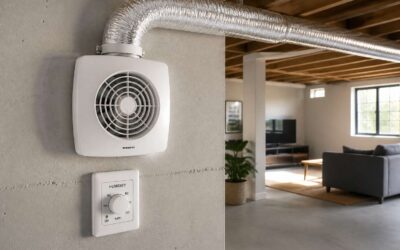
Steam from a boiling pot of pap can condense on tiled walls within minutes. Wall-mounted fans intercept that moisture before it settles. These units attach directly to an exterior wall, creating a short and efficient path for stale air to escape.
Axial wall fans clear compact bathrooms quickly with high airflow at low pressure. Mixed flow fans handle ducted runs while keeping noise levels moderate. Centrifugal models push against resistance, which suits kitchen installations that have longer ductwork.
- Axial fans for compact bathrooms
- Mixed flow fans for ducted routes
- Centrifugal fans for kitchen grease and heat
Extractor fan suppliers durban can match each model to your specific wall construction, which prevents costly retrofits. A correctly sized wall-mounted fan keeps cooking vapours and shower steam manageable throughout the year.
Ceiling-Mounted Units for Open-Plan Living Areas
Open-plan living areas present a different challenge entirely. The volume of air in a combined kitchen, dining and lounge space can overwhelm a single wall unit. Ceiling-mounted extractors pull air upward, capturing heat and odours that naturally rise from cooking and entertaining.
These units work well when ducted vertically through the roof cavity. They also free up wall space for cabinetry and artwork, which matters in modern interiors where every surface carries visual weight. Some ceiling models include humidity sensors that activate automatically, a useful feature during Durban’s humid summer evenings.
When planning a ceiling installation, consider the joist spacing and the distance to the outside. A flexible duct run requires careful sizing to maintain performance. Extractor fan suppliers durban can advise on the correct fan diameter and motor type for your specific ceiling height and floor plan. This ensures the unit handles the full space without excessive noise or energy draw.
Window-Integrated Fans for Flexible Seasonal Use
Window integrated fans occupy a clever middle ground in ventilation. They install directly into the window sash, so you can switch between fresh air intake and exhaust within seconds. This proves invaluable during Durban’s humid midsummer nights, when a brief rainfall leaves the streets steaming and indoor air suffocating. A window fan set to extract pulls that moisture outward before it settles on walls and fabrics.
When selecting a unit, you are essentially balancing portability against power. Typical options include:
- Single fan units for compact bedrooms
- Twin fan designs with reversible airflow
- Extendable side panels for irregular window widths
For households that prefer seasonal installation, these fans detach easily for storage. If you need guidance on sizing or coastal corrosion resistance, extractor fan suppliers durban can advise on models suited to salt-laden air. Their expertise ensures the fan matches your window dimensions and airflow needs without permanent structural changes.
Inline Ducted Systems for Concealed Installation
Most people never see the fan that ventilates their bathroom, and that is the point. Inline ducted systems mount inside the ductwork itself. The motor sits in ceiling voids or behind bulkheads, pulling stale air through long runs of ducting. This conceals the entire assembly, leaving only a discreet grille visible in the room.
Planning a concealed system requires access panels for maintenance and insulated ducting to prevent condensation. Typical locations include:
- Kitchen extraction points
- Bathroom ceiling cavities
- Laundry room duct lines
We find the main advantage is flexibility in routing! You can connect multiple rooms to a single fan unit placed remotely. For a neat install in older buildings, extractor fan suppliers durban can advise on duct paths and mounting positions that avoid structural beams.
Heat Recovery Ventilation for Improved Energy Savings
Most ventilation systems simply push stale air outside. Heat recovery ventilation does something smarter: it captures the energy from that outgoing air and transfers it to the fresh air coming in. This matters in Durban, where coastal humidity makes stale air a persistent problem while electricity tariffs keep climbing.
- Natural ventilation: windows, roof vents, passive airflow
- Exhaust-only systems: extractor fans pulling air from a single room
- Balanced systems: supply and extract fans working in tandem
- Heat recovery ventilation: energy transfer between outgoing and incoming air streams
The last category delivers the strongest energy savings. The core unit must sit where duct runs stay short and condensation can drain safely. For retrofits, extractor fan suppliers durban can match a heat recovery unit to an existing layout without opening up ceilings.
Commercial-Grade Extractor Solutions for Industrial and Hospitality Settings
A commercial kitchen releases enough heat and airborne grease to overwhelm residential grade fans within weeks. Industrial spaces require extractor units built from marine grade aluminium or powder coated steel, especially along Durban’s humid coastline. Hospitality venues face a different challenge: removing smoke and cooking odours while keeping guest areas acoustically comfortable.
For high volume applications, the primary configurations include:
- Canopy extractors positioned directly over cooking lines
- Centrifugal inline fans for long, complex duct runs
- Roof mounted units for warehouse and factory ventilation
We regularly see mismatched systems fail because airflow calculations ignored filter resistance or duct length. Extractor fan suppliers durban can assess these variables before installation, saving businesses from costly retrofits later.
Professional Installation and Regulatory Compliance
Navigating South African Building and Ventilation Regulations
Few mistakes are as silent as a poorly installed extractor. The unit runs, yet the air stagnates, and the paperwork catches up later. For coastal homeowners, professional installation is a barrier against hidden decay. When you approach extractor fan suppliers durban, their responsibility ends at delivery. Compliance begins on your wall.
South Africa’s SANS 10400 Part O defines ventilation airflow limits. A licensed installer verifies duct sealing, fire-rated connections, and humidity response. Skimping on these details voids warranties and compromises indoor air quality.
Consider the critical checks:
- Correct duct material for marine air corrosion
- Backdraft dampers aligned to prevailing winds
- Isolation switches accessible for maintenance
- Load calculations matching motor start-up current
Each decision turns a fan into a protective system. Trusting extractor fan suppliers durban for product quality only gets you halfway. The remaining distance is a qualified hand and a regulatory mindset.
Electrical Safety Standards and the Importance of Certified Installers
Electrical safety standards are the invisible shield between a functional fan and a household hazard. A certified installer understands that a bathroom extractor sits metres from water sources, demanding IP rated enclosures and earth leakage protection. The motor’s start up current can strain older coastal wiring, so circuit capacity must be verified before connection.
When you purchase from extractor fan suppliers durban, you receive a quality product. Installation determines whether that product fails safely or becomes a liability. These critical checks matter:
- Registration with the Electrical Contracting Board of South Africa
- Certificate of Compliance covering the specific circuit
- Isolation switches within reach but clear of wet zones
Each decision converts a fan into a compliant system. The suppliers deliver the hardware; certified installers deliver the safety.
Proper Ducting Layout and Vent Termination Techniques
Running ductwork through a coastal ceiling is an exercise in precision. Every kink and sag becomes a reservoir for condensation. The shortest route matters, but so does the angle of every bend. A vertical rise before any horizontal run lets moisture drain naturally. Flexible ducting compresses over time, so I specify rigid or semi-rigid sections. Clients of extractor fan suppliers durban expect hardware that lasts decades.
The vent termination deserves equal scrutiny. A roof cowl with a backdraft shutter stops the ocean breeze pushing humid air back into the cavity. The outlet must clear the roofline by at least 300 millimetres, and insect mesh belongs on the inside, not the outside! Compliance under SANS 10400 adds constraints:
- Ducting must resist fire temperatures for a specified period
- Terminations require separation from openings and boundaries
When you deal with extractor fan suppliers durban, the hardware arrives ready. The layout dictates the result.
Performance Testing and Commissioning After Installation
Installation determines whether a ventilation system performs to specification. The extractor fan suppliers durban provide units rated for coastal conditions, but the installer’s work decides the final result. Certified installers apply SANS 10400 compliance requirements, including fire-rated ducting and electrical isolation. They verify that isolation switches remain accessible and the unit connects to a dedicated circuit.
Performance testing follows installation. A quick ‘it sounds like it’s running’ check is inadequate. Instead, the commissioning process confirms several specifics:
- Airflow measured with an anemometer against the rated extraction volume
- Backdraft damper seal integrity under simulated wind pressure
- Condensate line drainage without pooling or backflow
Commissioning documents every reading and verifies operation across all speed settings. The handover includes maintenance schedules and warranty details. Extractor fan suppliers durban offer quality hardware; commissioning proves the solution works.
Maintenance Practices and Long-Term Performance Optimization
Establishing a Regular Cleaning Schedule for Optimal Airflow
A thin layer of grime on the blades can cut airflow by nearly 40%. In Durban’s coastal environment, the mix of humidity and fine dust settles quickly on exposed fan components. Extractor fan suppliers Durban specialists recommend a regular cleaning schedule, monthly for kitchens and quarterly for bathrooms, to prevent this gradual decline.
The grille, the impeller blades, and the backdraft damper each collect different debris:
- The grille catches large particles and requires the most frequent wiping.
- The blades accumulate an oily film in cooking areas.
- The damper, often ignored, can stick when residue coats it.
Working with reputable extractor fan suppliers Durban based experts ensures you receive guidance on the right cleaning methods for your specific unit. A fan that runs cleanly today will still deliver strong performance in five years! That long-term reliability depends on the consistency of your maintenance routine.
Recognising Early Signs of Wear, Corrosion, or Mechanical Faults
Every extractor fan eventually complains. In Durban’s marine atmosphere, the complaints come early and often. Listen for a grinding noise when the impeller starts, or a rattle that was absent on the first day. That is the unit telling you something mechanical is wrong.
- Rust flakes on the motor housing or grille screws.
- A delay in reaching full speed after switching on.
- Intermittent shutoffs that point to overheating or wiring faults.
Extractor fan suppliers durban see these symptoms daily. The salty air accelerates corrosion on the bearing race and the electrical terminals, so a fan that labours for months can fail without real warning. Smoke and a burning smell are never the first signs. A quick inspection of the rotating assembly, ideally every two months, reveals early seizure. Visual checks require no technician, only patience and a steady hand.
Upgrading Legacy Systems to Meet Modern Efficiency Standards
Legacy extractor fans, installed before coastal humidity was fully understood, often lack the corrosion resistant alloys now standard. Upgrading these systems involves selective retrofits rather than full replacement. A new impeller can reduce energy draw by up to 30 percent, while updated motor windings handle voltage fluctuations better.
- Replace the centrifugal impeller with a backward curved model
- Install a hygrostat to link fan speed with ambient moisture
- Upgrade to a sealed bearing cartridge to resist salt ingress
From my experience, extractor fan suppliers durban report that such upgrades extend service life by five to seven years. The existing duct diameter determines compatibility. Mismatched components create turbulence and negate efficiency gains. A pressure test after installation confirms performance.
Warranty Coverage and the Value of Responsive After-Sales Service
Maintenance is an act of attention. A fan that runs smoothly today can fail silently tomorrow, especially in coastal salt air. The difference between a minor repair and a full replacement often comes down to how regularly the system is inspected. Professional extractor fan suppliers durban recommend servicing schedules aligned with seasonal humidity patterns, not arbitrary calendar dates.
A solid maintenance routine catches small problems before they compound:
- Check belt tension and alignment quarterly
- Monitor motor amperage against baseline readings
- Inspect duct joints for salt crystallisation
- Replace worn seals before moisture breaches the housing
Warranty coverage reveals a supplier’s confidence in their own equipment. A warranty is a promise made in writing. The extractor fan suppliers durban who respond quickly to service calls, who keep spare parts in stock, who answer the phone when a fan stops working, those are the ones who understand that ventilation is infrastructure.



0 Comments