Why Ventilation Matters in the Lowveld Climate
Humidity Levels in Nelspruit
Nelspruit’s subtropical climate presents a persistent challenge for homeowners: the air itself holds a staggering amount of moisture. When the mercury climbs past 30°C and afternoon thunderstorms roll in, relative humidity frequently exceeds 80%. This is not a minor inconvenience; it is a catalyst for structural decay. Wooden roof trusses absorb this ambient dampness, creating ideal conditions for fungal growth that compromises their integrity over time. The very atmosphere conspires against the longevity of your building envelope.
The consequences of unmanaged moisture extend far beyond cosmetic blemishes like peeling paint. High humidity accelerates the corrosion of metal fixtures, dampens insulation materials reducing their thermal efficiency, and creates a breeding ground for dust mites. These invisible pressures degrade indoor air quality, which can exacerbate respiratory sensitivities for your family. For anyone seeking to mitigate these effects, installing extractor fans nelspruit relies on to manage airborne water vapor is a critical intervention.
– Persistent dampness leads to musty odours that permeate fabrics and furnishings.
– Condensation on cold surfaces, like window frames, promotes black mould colonies.
– Humidity fluctuations cause timber to warp, crack, and lose structural stability.
Within this environment, the internal air becomes a reservoir of moisture that needs constant removal. Without mechanical assistance, this vapor migrates to cooler zones, settling in corners and cupboards. An effective ventilation system actively displaces this saturated air, exchanging it for drier, healthier air from outside. This mechanical process is the only reliable defence against the biological and physical damage that Nelspruit’s humidity continuously threatens to inflict.
Health Risks of Poor Indoor Air
Each winter, a predictable complaint echoes through Nelspruit households: the persistent headache that never quite lifts. These symptoms often trace back to the air you breathe indoors. Because the Lowveld climate keeps windows closed during cool mornings, airborne pollutants accumulate without any route for natural dilution.
Health risks multiply when poor ventilation combines with constant high humidity.
- Dust mite populations spike, triggering allergic responses.
- Mould spores circulate, aggravating sinusitis and skin irritations.
- Carbon dioxide levels rise, causing drowsiness and poor concentration.
Extractor fans nelspruit homes depend on provide the mechanical air exchange that disrupts this pattern. They vent contaminated air outward and draw in cleaner outdoor air, reducing the biological load your body must neutralise.
Local Building Codes and Ventilation Standards
Nelspruit’s subtropical weather creates a peculiar tension between comfort and air quality. The Lowveld’s seasonal temperature swings make natural ventilation unreliable, leaving stale air trapped for hours. Mechanical ventilation, specifically the extractor fans Nelspruit households depend on, becomes the practical counterweight to this climate pattern.
Local building codes have evolved to acknowledge this reality. Regulations now expect new residential developments to incorporate designated ventilation points in wet areas and kitchens. The South African National Building Regulations, particularly SANS 10400 Part O, set baseline requirements for air extraction, though enforcement varies across the region. Builders and renovators in Nelspruit increasingly treat these standards as a starting point rather than a ceiling.
Selecting an Extractor Fan for Bathrooms and Kitchens
Sizing for Bathroom Spaces
The best extractor fan is the one you forget is running. Selecting an extractor fan for bathrooms and kitchens begins with airflow, not wattage. For bathroom spaces, the rule of thumb is ten air changes per hour, yet most homeowners underestimate the required volume.
A fan rated in cubic metres per hour must match your room’s cubic volume. In Nelspruit, open windows and high ceilings complicate choices. The extractor fans nelspruit market offers many units, but undersizing remains common. Sizing for bathroom spaces requires measuring length, width, and height, then multiplying by ten. The result is the minimum airflow needed.
A short, straight duct run preserves efficiency; every bend reduces it. Choose extractor fans nelspruit brands that publish static pressure data.
Kitchen Extractors and Grease Management
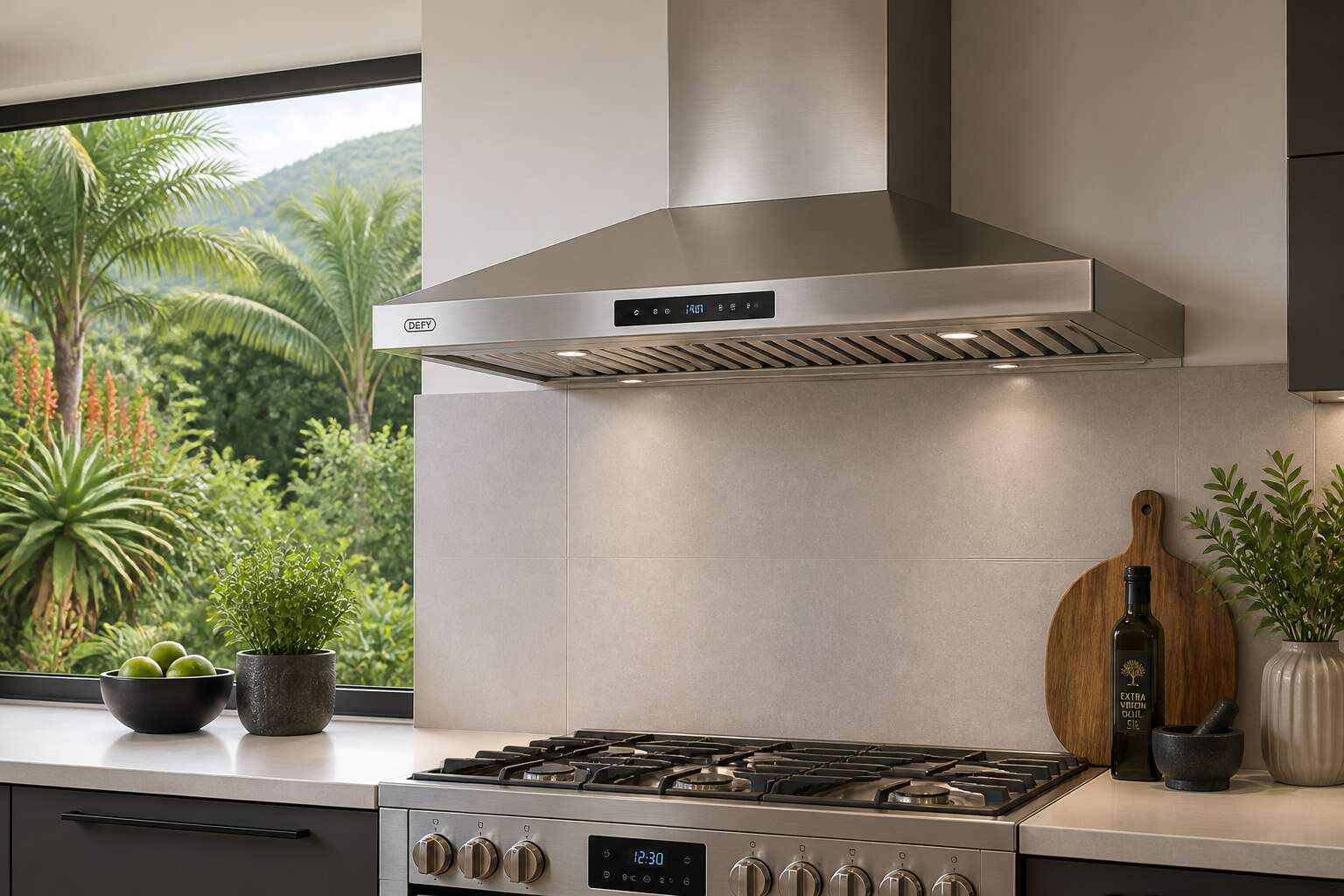
Most people think a kitchen fan sells itself on airflow. The real problem is grease! Kitchen extractor fans nelspruit installations must separate airborne fat from the moving air before that fat reaches the duct interior.
Baffle filters outperform mesh. Mesh clogs quickly. Baffles force air through sharp turns, and heavier grease particles drop out of suspension. That keeps the duct clean enough for an inspection torch.
- Filter surface area per cubic metre of air moved, not motor wattage.
- Grease tray access without fan disassembly.
- Filter durability through washing machine cycles.
Neglected grease strangles airflow, makes the motor strain, and shortens the fan’s life. Extractor fans nelspruit that handle grease properly keep working quietly for years.
Wall-Mounted vs. Ceiling-Mounted Units
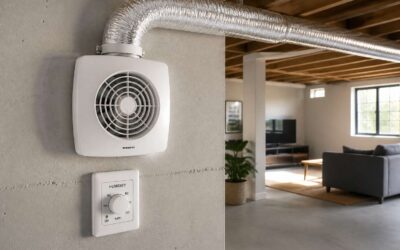
Most people pick a fan by appearance. Mounting position changes everything. In many Nelspruit bathrooms, a wall-mounted unit is the sensible choice because the duct run stays short and the wall structure carries the weight. Ceiling-mounted units work when no exterior wall is available, but they demand roof space planning.
Some installers prefer wall units for kitchens because grease and moisture travel horizontally before rising. Ceiling mounts suit rooms with tall ceilings and proper insulation.
- Wall-mounted fans are easier to service.
- Ceiling-mounted fans place noise above ear level.
The correct selection depends on room layout, not the product photo. For extractor fans Nelspruit, many homeowners only realise the mounting error when condensation streaks appear.
Noise Levels and Acoustic Comfort
Choosing the right extractor fans Nelspruit starts with sound, not airflow. A fan rated for 120 cubic metres per hour might clear steam quickly, but if the motor whines every cycle, you will switch it off before it does its job.
Noise is measured in sones or decibels. Bathroom fans should stay below 2.0 sones for comfortable use. Kitchen units run longer, so acoustic comfort matters more than peak power. A quiet motor with a slightly lower extraction rate outperforms a loud one, which surprises many homeowners!
Several factors influence what you hear from a mounted unit.
- Duct length and bends amplify sound.
- Inline silencers absorb motor hum.
- Rubber mounting brackets reduce vibration.
For extractor fans Nelspruit installations in older homes, the distance between the fan and the ceiling void changes everything. A short, smooth duct keeps turbulence low and the unit quieter. The largest motor available is rarely the right choice.
Professional Installation and Maintenance in Mpumalanga
Certified Electricians in the Nelspruit Area
Installing an extractor fan is more than mounting a motor. In Nelspruit, the electrical system’s age and layout demand precise work. I have seen many units fail because a handyman guessed at the wiring. Certified electricians in the Nelspruit area follow Mpumalanga’s strict compliance standards, so your fan operates without tripping breakers or overheating.
Scheduled maintenance matters just as much. Loose terminals and dust buildup shorten motor life. A professional inspection covers:
- Earthing continuity checks
- Capacitor and switch condition
- Duct sealing and airflow confirmation
These steps keep your extractor fans nelspruit running quietly for years. Trusting a local expert also means faster support when you need it.
Ducting Requirements and Best Practices
Installing an extractor fan involves more than securing a chassis to a ceiling. The ductwork is the true conduit for performance, and in Mpumalanga, the route to the exterior often crosses hot roof cavities where condensation becomes a quiet adversary. Rigid metal ducting is the superior choice for these long runs, resisting the sag and internal ridges that plague flexible foil options. Smooth aluminium pipes create less turbulence, allowing the motor to shift air with decreased strain, which is crucial for a fan serving a larger kitchen or a humid guest bathroom. Each joint must be sealed, not merely pushed together, using a quality mastic tape to prevent precious airflow from leaking into the ceiling void.
The termination point at the exterior wall requires equal attention. A backdraft shutter is non-negotiable in this climate, protecting the interior from warm, insect-laden air when the fan is idle. For ducting that must pass through an unconditioned space, consider these practices:
– Wrap the duct in insulation to prevent temperature differentials that cause moisture to form along the metal.
– Keep the path as straight as possible, minimising bends that force the impeller to work against its own air pressure.
– Ensure the external grille is positioned away from prevailing winds to avoid flow reversal.
The placement of the fan unit itself also dictates efficiency. Positioning the extraction point directly above the stove or shower, rather than on a distant ceiling, captures moisture at its source before it migrates through the room. And in the extreme heat of a Lowveld afternoon, a fan that struggles to push air through a long, complex duct will simply overheat. A professional installer will often adjust the fan’s speed settings to match the static pressure of the specific duct run, a nuance often overlooked. This personalised calibration ensures that the extractor fans nelspruit residents rely on perform at their peak during the most demanding summer months, moving stale air out with a consistent, confident hum. The switchgear also deserves a final check, with a local isolator fitted to guarantee safe disconnection for future servicing without compromising the integrity of the circuit.
Cleaning and Filter Replacement Schedules
Most extractor failures begin long before the motor dies. Professional installation in Mpumalanga requires honesty. A certified electrician will match the fan’s static pressure to your ductwork, preventing the motor from working harder than necessary.
But even the best installed extractor fails without a cleaning schedule. The Lowveld dust and cooking grease form a coating on your filters. Inspect that filter every month, because extractor fans nelspruit rely on clean airflow. The schedule looks like this:
- Clean the grease filter every four weeks.
- Wipe the impeller blades every quarter.
- Check the duct joints for leaks once a year.
A clean fan runs cooler, draws less power, and your kitchen will smell of food, not of failure.
Cost Estimation and Quoting
In Mpumalanga, quoting for extractor fans nelspruit is less art than mathematics, yet many homeowners receive vague estimates. A reputable contractor in Nelspruit will measure your duct length, count bends, and assess the wall thickness before preparing the quote. This precision matters because a short duct run can use a cheaper fan, while an extended run demands a higher static pressure model.
When you request a quotation, ask for a full breakdown:
- Fan unit cost
- Ducting and grilles
- Electrician labour and certification
- Cleaning or maintenance service fees
A detailed quote protects you from surprises later. Monthly maintenance plans for these fans typically range from R150 to R400, depending on filter changes and impeller checks. Compare three quotes, but weigh the cheapest against the level of site inspection you receive. The right price is the one that matches your actual airflow requirements.
Innovative Ventilation Solutions and Energy Savings
Extractor Fans with Humidity Sensors
The average bathroom fan expels stale air for a quarter of an hour after the last drop of water evaporates. That is squandered electricity. For extractor fans nelspruit, the latest innovation bypasses this waste with a built-in humidity sensor that responds to actual moisture levels, not a preset timer.
I have installed several of these in local homes, and the change is immediate. The fan speeds up when a shower starts, then eases off as the air dries. The benefits stack up clearly:
- Lower monthly energy bills
- Less mechanical wear from unnecessary running
- No manual switching or remembering to turn off
Given Nelspruit’s frequent summer downpours, such adaptive systems keep bathrooms comfortable without overtaxing the electrical grid.
Solar-Powered Options for Load Shedding
South Africans lost over 6,000 hours to load shedding in 2023, leaving bathroom fans dead exactly when morning routines demand them. Solar-powered extractor fans nelspruit bypass this by pairing photovoltaic panels with DC motors, running on stored energy when the grid fails!
These units throttle down during overcast days and ramp up in direct sunlight. A small battery buffer keeps airflow going overnight. The savings come from cutting grid reliance, not just during outages but every sunny hour.
- No inverter losses, so more wattage reaches the fan
- Battery reserves maintain ventilation through evening showers
For households chasing extractor fans nelspruit, this is independence from municipal scheduling and a quiet guard against humidity buildup.
Smart Home Integration and Controls
Smart home controls are changing how bathrooms handle air movement. A 2023 industry report found that intelligent ventilation systems reduce energy waste by up to 32 percent compared to fixed-speed units. For homeowners pursuing extractor fans nelspruit, this shift enables responsive systems that learn occupancy patterns.
Integration with existing smart ecosystems offers several practical advantages:
- Motion detection triggers immediate extraction only when needed
- Remote monitoring via mobile apps lets you adjust settings from another room
These controls synchronize with broader home energy policies. When tied to real-time electricity pricing, fans automatically defer operation during expensive peak hours. The result is continuous moisture management without demanding constant attention or inflating monthly utility bills.
Heat Recovery Ventilation Systems
Heat recovery ventilation systems change how air moves through a home. These units capture warmth from outgoing air and transfer it to incoming fresh air. For homeowners choosing extractor fans nelspruit, this approach lowers heating costs and keeps interior temperatures steady.
Unlike simple fans, HRVs filter and temper air continuously. They reduce humidity without sacrificing heat. A well sized unit can reclaim up to 90 percent of thermal energy.
- Prevents cold drafts in winter
- Lowers reliance on heaters
- Maintains balanced air pressure
Modern HRVs integrate with existing ductwork. They deliver fresh air while expelling stale air. The result is efficient ventilation that pays for itself over time!
Long-Term Energy Efficiency Benefits
Ventilation accounts for roughly 20 percent of a home’s thermal load, and Nelspruit’s humidity pushes that figure higher. The newest extractor fans nelspruit residents can buy today use DC motors that consume under 15 watts. Older AC units draw five times that amount!
These innovations compound over years of daily use. A fan running eight hours per day at 15 watts costs roughly R40 annually. An 80 watt equivalent costs five times more. Multiply that across multiple bathrooms and kitchens, and that is real money.
Modern units also adapt to real-time conditions:
- Occupancy sensors activate airflow only when someone enters
- Adaptive controls reduce speed as humidity drops
- Intelligent dampers close when idle to prevent air loss
Long-term energy efficiency benefits emerge from these adjustments. Conditioned air stays inside. Heat gain and loss diminish. The result appears in monthly statements, month after month.
Rebates and Incentives for Green Upgrades
A dated extractor fan in Nelspruit can consume more electricity than a modern television. The latest extractor fans nelspruit buyers get feature backward curved impellers and thermal break housings that cut energy loss through the fan body. Your old unit probably runs at maximum capacity indefinitely.
Green upgrades attract rebates from certain municipalities and Eskom’s demand response programmes, but only if you submit three forms, a signed affidavit, and possibly a blood sample! I have watched grown adults weep at the paperwork. Incentives vary by area.
- Rebates for energy-efficient fan models
- Incentives for heat recovery add-ons
- Tax deductions for rental properties


0 Comments