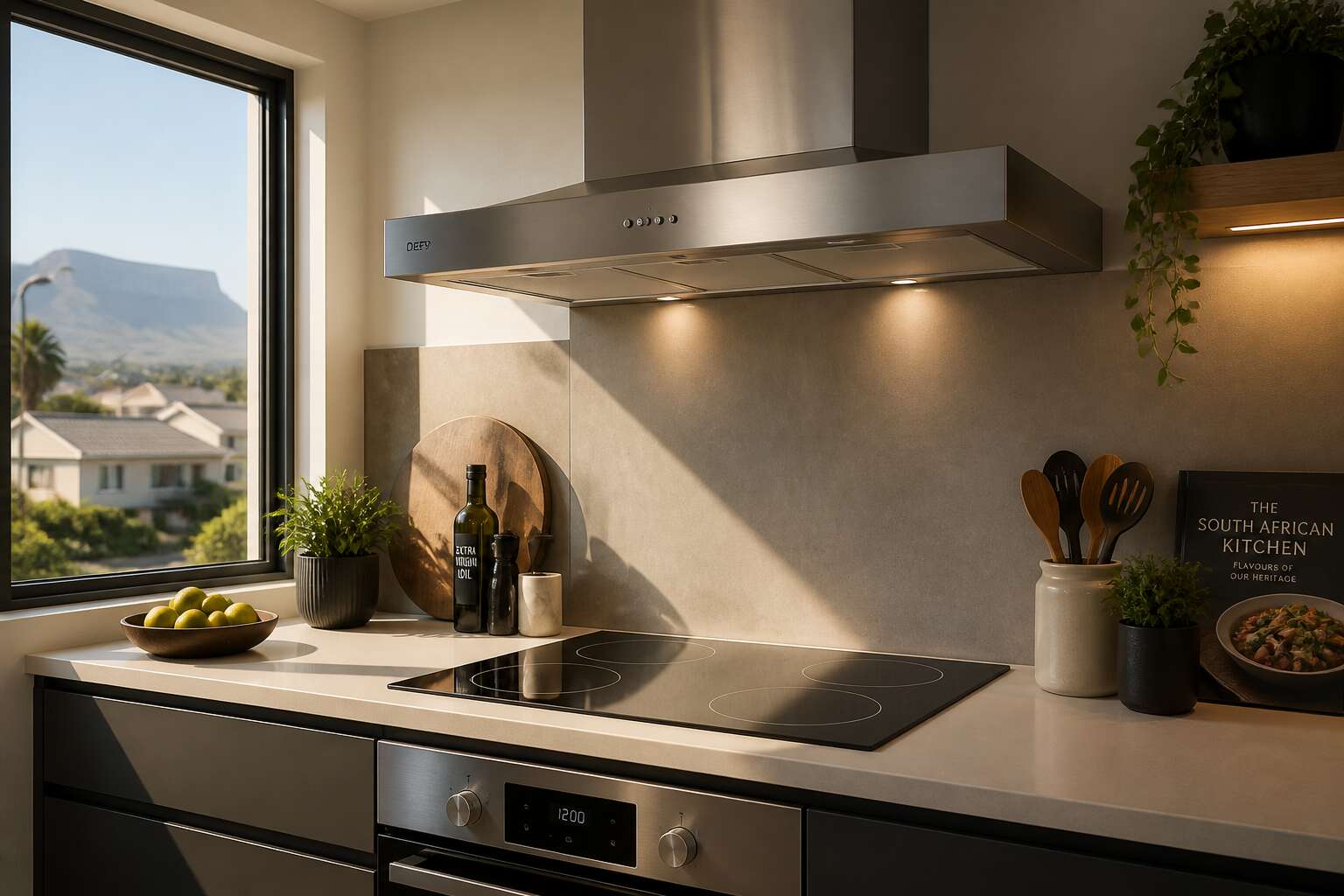
Understanding Extractor Fans in South Africa
South African homes fight a constant battle against humidity, whether it’s Cape Town’s damp winters or Durban’s sticky summers. The humble extractor fan sits at the frontline of that fight, yet most homeowners barely think about it until mould appears. By then, the damage is done.
Choosing the best extractor fans south africa starts with understanding your airflow needs. Building styles range from Cape Dutch to modern townhouses, and each presents different ventilation challenges. A small bathroom needs far less power than an open-plan kitchen.
When I assess extractor fans, I look at:
- Static pressure, which measures how well the fan pushes air through ducting
- Sone ratings, which gauge perceived loudness
- Compliance with South African wiring standards
These details matter more than a sleek design or trendy brand.
Top Rated Extractor Fan Brands in South Africa
South African kitchens and bathrooms demand extractor fans that tolerate humidity, load shedding, and years of service without complaint. The best extractor fans south africa come from brands that back their warranties with local stockists and technical support, because a fan that fails in winter is a crisis nobody needs.
Reliability separates the top tier from the rest:
- Volution, for whisper quiet operation in open plan living spaces
- Soler & Palau, for heavy duty airflow in commercial style kitchens
- Airflo, for dependable budget value with robust plastic housings
These names recur in every credible conversation about ventilation in this country. Choosing the best extractor fans south africa hinges on matching the fan’s capacity to your room size, duct run, and climate zone. Coastal homes need corrosion resistant casings; Highveld rooms need strong static pressure, which explains why no single brand dominates every province.
Best Extractor Fans for Bathrooms in South Africa
A steamy bathroom without proper ventilation turns into a damp, musty space. In South Africa, coastal humidity and cold Highveld winters create different moisture challenges. I have walked into too many guest bathrooms that smell like old towels. The fix is essential, though rarely glamorous.
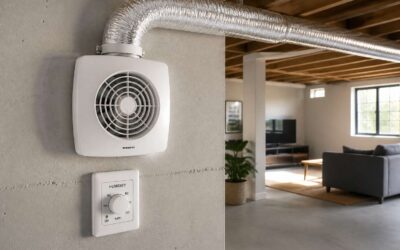
The product range spans basic axial fans and stronger centrifugal models. When comparing the best extractor fans south africa, look at your wall thickness and duct length first. A quiet motor matters more than you realise, especially in a townhouse with thin walls.
- Check the extraction rate in litres per second.
- Consider the noise level in sones, not just watts.
- Look for a built-in backdraft shutter for coastal homes.
That final feature often gets forgotten, but salty air corrodes cheap components within months. An IP45 rating adds protection against moisture ingress. Your morning shower will feel far fresher because of it!
Best Extractor Fans for Kitchens in South Africa
Your kitchen deserves more than a humming motor that barely shifts steam. When you search for the best extractor fans south africa, you need a unit that matches real cooking habits. Braai smoke, curry steam, and winter condensation demand serious airflow. Short bursts of cooking release grease that settles everywhere. A strong fan captures that before it sticks.
Consider the extraction rate, measured in cubic metres per hour. A smaller kitchen needs around 300, while open plan spaces prefer 600 or more. Noise levels matter too, especially in apartments.
Here is what separates a great fan from a decent one:
- Baffle filters that trap grease without constant cleaning
- Pressure ratings that resist backdrafts from shared ducts
- Energy efficient motors that run quietly
The best extractor fans south africa balance these three features with reliable local service. Choose one that matches your cooking style and fits your cabinet space.
Installation and Ventilation Requirements in South Africa
South African kitchens produce humidity and cooking fumes, yet many homes rely on a single window for airflow. Choosing among the best extractor fans south africa hinges on more than wattage. Installation matters! A fan mounted too high loses suction, while one placed too close to a stove struggles with heat. Building regulations also demand specific ducting distances. An undersized duct limits performance, creating noise and backdraft. I always tell homeowners to measure the route to the outside wall.
Your ventilation requirements depend on the kitchen’s volume, not its size alone. Consider these factors:
- The ceiling height and roof cavity access.
- Whether the duct exits through a wall or the roof.
- The presence of a non-return flap to block incoming air.
Without these checks, the fan will underperform. The result is stale air and moisture that damages paintwork. Proper installation makes the appliance run quietly and efficiently.



0 Comments